Home Improvement TV: Your Guide to Inspiration and Guidance
Remember that time you tried to fix a leaky faucet, watched a quick online tutorial, and ended up with a flooded bathroom? We’ve all been there! The world of home improvement can feel overwhelming, but thankfully, there’s a wealth of information available, especially when it comes to home improvement tv. This guide will explore how these shows can inspire your next project and provide you with actionable knowledge. You’ll discover how to get started on your own DIY adventures and avoid common pitfalls. By the end of this post, you’ll feel more confident about tackling projects around your home. You will learn some tips to make your project a success, improving your home and property.
Key Takeaways
- Home improvement television can offer project ideas and design inspiration.
- These shows can help viewers understand basic construction techniques.
- You can learn about selecting materials and planning a budget.
- Home improvement programs often highlight innovative tools and technologies.
- Many shows offer expert advice for specific DIY tasks.
- Home renovation shows offer insight into the real estate market.
The Allure of Home Improvement Television
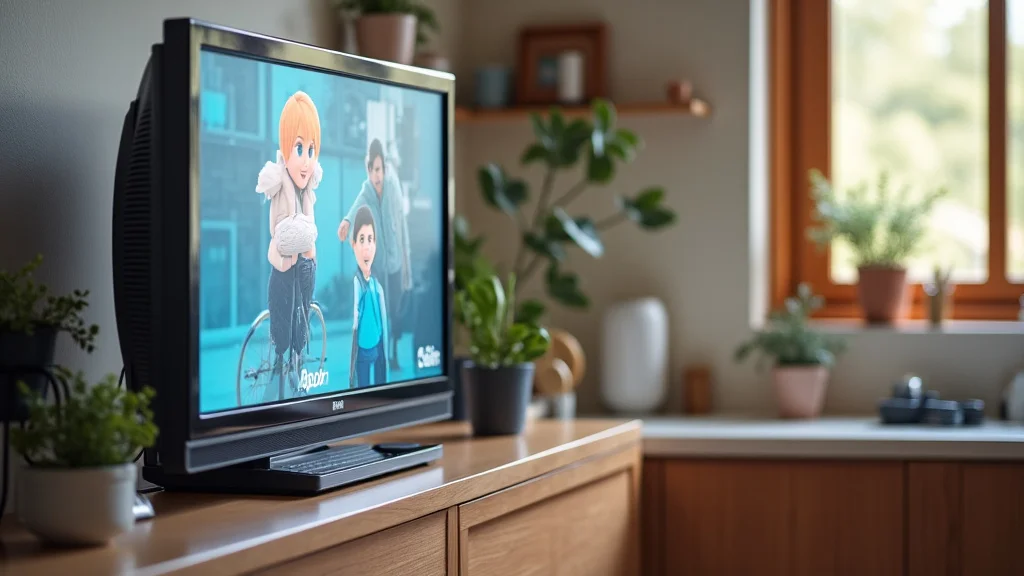
Home improvement shows have become a staple of television, drawing in audiences eager to transform their living spaces and gain valuable skills. These programs, which frequently blend practical advice with engaging entertainment, offer a unique form of inspiration. From complete home renovations to small weekend projects, home improvement tv serves up a variety of creative ideas and practical solutions. The shows tap into a widespread desire to create more functional and comfortable living spaces.
The Power of Visual Inspiration
One of the most significant appeals of home improvement tv is the visual aspect. Many people learn best through observation, and these shows excel at showcasing before-and-after transformations. Watching a cluttered room turn into an organized, stylish space or an outdated kitchen get a modern upgrade can spark ideas. The shows often feature a variety of design styles, from rustic farmhouse to modern minimalist, exposing viewers to a wide array of possibilities. The emphasis on aesthetics encourages viewers to think about their own style preferences and envision how they want their home to look.
- Before-and-After Reveals: A dramatic reveal of a finished project inspires viewers with the possibilities. Seeing the transformation gives viewers motivation for tackling their own projects.
- Design Style Showcases: A range of design styles, from contemporary to traditional, broadens viewers’ design horizons. Each design style gives viewers ideas about their own home improvement projects.
- Material and Color Palettes: Shows often highlight different materials, colors, and textures, which helps viewers visualize different design choices. This helps viewers select materials for their next project.
- Space Optimization Techniques: Learn about maximizing space through smart storage solutions and layout adjustments. Effective use of space improves the look and feel of a home.
- Furniture Arrangement and Decor: Proper furniture arrangement and decor ideas help create a visually appealing and functional space. A well-designed interior can increase the comfort of a home.
Practical Skills and DIY Guidance
Beyond design inspiration, home renovation shows also provide a practical education in do-it-yourself (DIY) techniques. Many programs break down complex tasks into easily understood steps, with experts demonstrating how to do everything from laying tile to building a deck. This hands-on approach equips viewers with the confidence to try these projects themselves, saving money on labor costs. Some shows emphasize the importance of using appropriate tools, safety precautions, and techniques for a successful outcome. The lessons provided give viewers the confidence to begin their own projects.
- Step-by-Step Instructions: Projects are broken down into manageable steps, making the work less intimidating. Clearly defined steps increase the likelihood of project completion.
- Tool Demonstrations: The correct use of tools is shown, teaching viewers how to perform specific tasks. Properly using tools reduces the risk of accidents and improves results.
- Safety Tips and Best Practices: Shows often include vital safety advice, which protects viewers from injuries. These practices help prevent injuries while working on home improvements.
- Budgeting and Resource Management: Tips on managing project costs and obtaining the best value for your money. Good budget planning helps viewers stay within their financial limits.
- Material Selection and Preparation: The shows provide practical advice on selecting materials and preparing for projects. Proper selection of materials increases the likelihood of a successful outcome.
Selecting the Right Home Improvement Television
With so many options available, choosing the right home improvement tv shows can be challenging. Some shows focus on the creative side of design and style, while others highlight the technical aspects of construction and renovation. The best show choice will depend on individual preferences and goals. Some viewers may prefer programs that focus on the design aspect, while others might prefer programs that focus on the construction aspect. The following information explores different types of shows.
Design and Decor Shows
Shows like “Fixer Upper” or “Property Brothers” focus on the aesthetics of home design. They offer inspiration for creating stylish, comfortable living spaces. These shows typically emphasize color palettes, furniture selection, and interior design trends. Design shows are perfect for viewers looking to make cosmetic changes or redecorate their homes. These shows are great for those with little construction experience. They show how to make changes that make a home look great.
- Interior Design: Focuses on creating an attractive and functional living space. Learn about color schemes, furniture styles, and decor.
- Space Planning: Shows how to maximize functionality and flow in a home. Proper space planning makes a home appear larger.
- DIY Decor Projects: Demonstrates how to make simple decor items for your home. These projects are a good starting point for new DIY enthusiasts.
- Home Staging: Shows how to prepare a home for sale through appealing design choices. Home staging can make a property more attractive to potential buyers.
- Renovation Projects: These shows focus on specific renovation projects like kitchens and bathrooms. The shows teach the viewer how to modernize parts of a home.
Construction and Renovation Shows
These shows, such as “This Old House” or “Holmes on Homes”, offer in-depth training on building construction and renovation skills. Construction shows offer valuable insights into more challenging aspects of home improvement. The programs feature detailed explanations of construction techniques, electrical and plumbing work, and material selection. Viewers learn how homes are constructed. These shows help viewers learn the construction and planning that goes into a home project.
- Framing and Structural Work: Learn about the basic construction of walls, roofs, and other structural components. This information is key to starting any home project.
- Electrical and Plumbing: Shows how to safely install and maintain electrical and plumbing systems. A good understanding of electrical and plumbing prevents injuries and reduces the chance of problems.
- Material Selection and Cost Analysis: Guidance on choosing the appropriate building materials. Understanding material costs helps with project planning.
- Inspections and Building Codes: Education on regulations that must be followed during renovation projects. Complying with building codes helps ensure a project is safe.
- Problem-Solving Strategies: These programs focus on fixing the issues that come up during construction and renovation projects. This instruction increases the chances of project success.
Planning Your Own Home Improvement Project
After watching countless episodes of home improvement tv, you might be ready to tackle a project of your own. However, planning is key for avoiding mistakes, managing costs, and achieving the desired outcome. Proper planning will ensure project success. Start by clearly defining your goals, setting a budget, and creating a realistic timeline. A well-prepared project is far more likely to succeed than one that’s rushed. The following information covers the key stages of planning a successful DIY project.
Defining Your Project Scope
The first step in planning a home improvement project is to clarify your goals. Are you looking to update a room’s decor, complete a full-scale renovation, or something in between? Define the scope of work. Take detailed measurements, create a visual plan, and assess the existing conditions. This initial planning stage will help you better understand what is involved and what resources you need. Accurate planning and budgeting are essential for project success.
- Needs Assessment: Figure out what improvements you want and the goals you want to achieve. This helps you narrow your choices for your project.
- Room Analysis: Measure the space to find out how much material you need. Accurate measurements are essential for project success.
- Design Planning: Create a visual plan, such as a mood board or sketch, to help make design choices. Visualizing the final result helps you make the right choices for your project.
- Research Materials: Investigate different types of materials to find the best materials for your needs. Finding the best materials keeps costs down and increases project success.
- Budgeting and Cost Estimates: Evaluate all costs and potential unexpected expenses. A well-developed budget helps keep costs under control.
Creating a Realistic Budget
Proper budgeting is essential for any home improvement project. The cost of labor and materials can add up quickly. Determine how much you can spend on the project. Set a budget. A contingency fund is important for unforeseen problems or unexpected costs. Seek multiple quotes from suppliers and contractors. Comparing costs helps you obtain the best deals for your budget. Planning a budget from the start helps you avoid unexpected surprises.
- Materials: Factor in the cost of all required supplies. Include all construction supplies needed for your project.
- Labor: Decide whether to do the work yourself or hire professionals. Always include labor costs in your project budget.
- Permits and Inspections: Ensure you include the cost of all required permits and inspections. Permits and inspections help ensure that a project is safe.
- Contingency Fund: Set aside a percentage of your budget to cover unexpected expenses. A contingency fund ensures you are prepared for unexpected costs.
- Contingency Plan: Have a contingency plan for handling any cost overruns. Having a plan can help manage a project’s cost.
Setting a Timeline
A well-defined timeline will help you keep your project on track. Develop a realistic schedule. Break the project into smaller, more manageable tasks. Add buffer time for unexpected delays. Communicating your timeline to all involved parties will help coordinate your project. A well-organized timeline helps avoid delays and ensures projects are finished on schedule. Realistic time estimates keep your project on track.
- Project Breakdown: Break down your project into tasks to know where you are in the project. Clear tasks keep a project on schedule.
- Material Delivery: Plan for the lead times on material orders to avoid delays. Properly planning for material deliveries helps with a project timeline.
- Contractor Scheduling: Schedule your contractors well in advance to avoid delays. Good planning helps keep a project on schedule.
- Weather Considerations: If your project is outdoors, keep weather conditions in mind. Plan your project in anticipation of weather.
- Milestone Tracking: Mark key project milestones to measure progress. Marking milestones is a simple way of staying on track.
Home Improvement Television and the Real Estate Market
Home improvement tv can also provide insights into the real estate market. Shows that showcase renovations and property transformations often address issues that are crucial for both homeowners and potential buyers. They often feature trends in home value and design. Real estate programs often focus on buying, selling, and remodeling homes to increase their value. Understanding these connections can enhance your home renovation decisions and impact the value of your property.
Market Trends and Home Value
Watching these programs can provide useful information about current design trends and market values. Pay attention to how the shows incorporate popular design trends and the impact these updates have on property value. The shows can show how the market views particular improvements and the potential return on investment (ROI). Knowing about market trends and their financial impact can help you make informed decisions about your own home improvements. Understanding market trends is important when planning home improvements.
- Design Trends: Watching the latest design styles helps you discover ideas that might improve home values. Keeping up on trends is important for increasing a home’s value.
- Property Values: Shows often discuss the estimated value of properties before and after renovations. This can give you an idea of the benefits of your project.
- ROI on Improvements: Many shows emphasize the cost-benefit ratio of different renovations. Understanding the value of specific improvements helps with project planning.
- Location Impact: Learn how a property’s location can affect its market value. Property location is an important consideration in market value.
- Home Appraisal Process: Many shows give an idea of how a home is appraised. Understanding the appraisal process helps you make good choices.
Selling and Buying Homes
The shows often offer tips on preparing a home for sale. They include strategies for staging and making a home more attractive to potential buyers. Programs like “Flip or Flop” or “Love It or List It” are focused on buying, renovating, and selling homes for profit. By watching these shows, you can learn strategies for assessing property values and increasing the saleability of a property. Understanding the real estate market helps people make informed decisions.
- Home Staging Tips: The shows often show how to enhance a home’s appeal to buyers through furniture arrangements. Home staging can make a home more attractive to buyers.
- Curb Appeal Strategies: Shows often focus on improving the exterior of a home to make a better first impression. A home’s curb appeal is essential to a good sale.
- Negotiating Deals: Some programs offer insights into negotiating deals in real estate. Proper negotiation skills are important for obtaining a good deal.
- Market Analysis: Many shows showcase how to analyze market trends and property values. Analyzing the market helps owners make informed decisions.
- Inspection Guidance: They often show how to prepare for a home inspection. Preparing for an inspection can improve a sale.
| Aspect | Home Improvement TV | Real Estate Market |
|---|---|---|
| Main Focus | Design and DIY Projects | Buying, Selling, and Home Values |
| Key Goal | Transforming Living Spaces | Increasing Property Value |
| Typical Content | DIY Projects, Design Tips, and Expert Advice | Market Trends, Appraisal Advice, and Property Transactions |
Common Myths Debunked
Myth 1: Home improvement projects are always expensive.
While some renovation projects can indeed cost a significant amount of money, this isn’t always the case. With careful planning, proper budgeting, and DIY approaches, many projects can be accomplished without breaking the bank. The costs will depend on the scope of the project and the materials chosen. There are numerous cost-effective options available, from using reclaimed materials to sourcing budget-friendly alternatives. The key is to set a budget, stick to it, and be creative in finding solutions that fit your financial needs.
Myth 2: You need to be an expert to do home improvement.
While it helps to have some level of experience, many projects are suitable for beginners. Home improvement shows often feature experts providing step-by-step instructions. Many tasks are accessible to the average homeowner. Start with small, manageable projects to build your skill and confidence. The internet is a great place to learn. You can find how-to videos and articles, too. With a willingness to learn and a bit of patience, you can expand your skills.
Myth 3: Home renovations always increase property value.
This isn’t always true. While some improvements can increase your home’s value, others might not deliver a great return on investment. The impact of a renovation on value depends on various factors. These include the location of the home, the current market trends, and the quality of the renovations. Before starting any project, evaluate the costs and benefits, and do your research. Select projects that align with the market and increase the appeal of the home to buyers.
Myth 4: You must use the most expensive materials to achieve quality.
Expensive materials aren’t always necessary for good results. Quality can be achieved with more budget-friendly materials if you choose wisely. Focus on the durability and functionality of the materials. Consider alternatives that deliver comparable results at a lower cost. Evaluate what’s best for your needs. Always look for value for money and select products that will stand up to wear and tear. You can often save money by sourcing materials at the right time.
Myth 5: All home improvement projects require permits.
Not every project requires a permit, but it’s important to understand the regulations in your area. Permits are generally needed for structural work, electrical work, plumbing, and other changes that could affect your home’s safety. Some minor cosmetic projects, such as painting or replacing flooring, may not require a permit. Always check with your local building department to find out what permits you need. Taking the time to acquire the right permits will ensure that your project complies with safety regulations.
Frequently Asked Questions
Question: What’s the best way to get started with a home improvement project?
Answer: Start with a simple project to build your experience and confidence. Research the project thoroughly and create a detailed plan, including a budget and timeline. Proper planning is essential for a successful outcome.
Question: How can I save money on home improvement projects?
Answer: Do as much of the work yourself as you are able, research material options, and compare quotes from different suppliers and contractors. Look for opportunities to reuse materials and plan your project well.
Question: Are home improvement projects always time-consuming?
Answer: The time required depends on the complexity of the project. A small DIY project can be done in a weekend. Major renovations take weeks or months. Proper planning can help you minimize the time involved.
Question: What if I make a mistake during a home improvement project?
Answer: Everyone makes mistakes! Stay calm and assess the situation. Consult online resources or seek help from an experienced professional. Learn from your mistakes to prevent them in the future.
Question: How do I choose the right home improvement show for me?
Answer: Pick shows based on your interests and skill level. If you’re looking for design inspiration, look for shows with a focus on aesthetics. For practical instruction, select shows focused on construction techniques and DIY.
Final Thoughts
Home improvement tv can be a powerful resource for anyone considering a renovation project. The shows offer a wide range of inspiration, from design ideas to step-by-step instructions for DIY tasks. They provide valuable information, from budgeting tips to practical construction techniques. You will find programs that align with your interests and your project needs. Remember to approach home improvement with a solid plan, a budget, and a willingness to learn. You are ready to create a home that looks the way you want it to look. Embrace the process, and you might surprise yourself with the results. With dedication and some planning, you can transform your house into the home you’ve always wanted.