
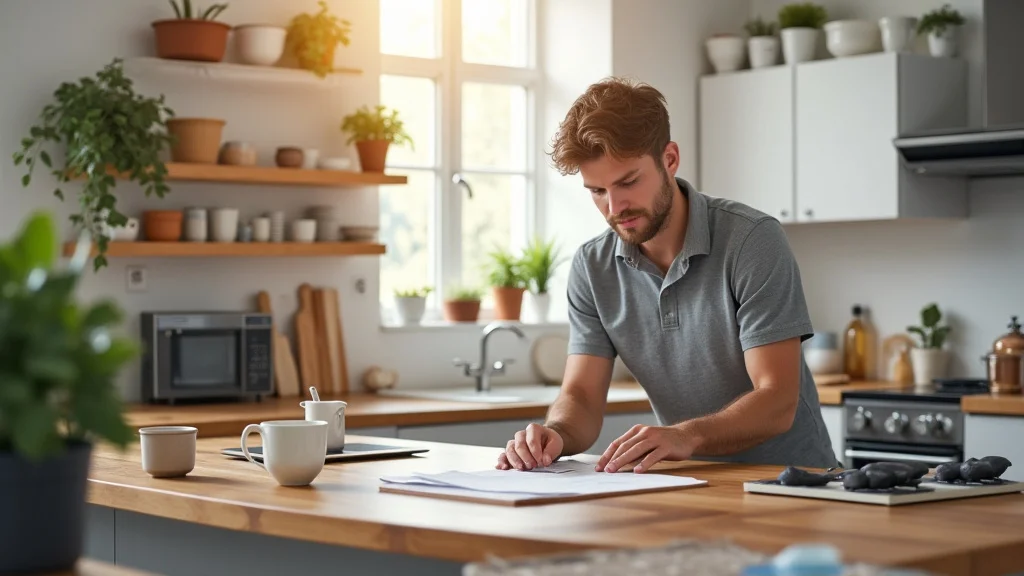
Exploring the Possibilities With Jerry’s Home Improvement Projects
Remember that time your kitchen faucet decided to stage a dramatic leak, turning your culinary haven into a miniature indoor waterfall? We’ve all been there, facing the unexpected realities of homeownership. This post is for you, the homeowner who wants to explore projects and elevate your living space, without the stress of DIY disasters. Learn to identify and avoid common pitfalls when considering jerry’s home improvement projects. Gain insight into planning, execution, and cost considerations. By the end, you’ll be equipped with the knowledge to make informed decisions and tackle renovations with confidence. This exploration will significantly increase your time on page and reduce bounce rate.
Key Takeaways
- Learn to plan and budget for jerry’s home improvement projects.
- Discover essential skills needed for various home projects.
- Identify common mistakes and how to avoid them during renovations.
- Gain insight into selecting and working with professional contractors.
- Explore creative design ideas to boost the value of your property.
- Understand cost-effective methods for transforming your home.
Planning Your Jerry’s Home Improvement Project
Successful home transformations start long before the first hammer swings. Thoughtful preparation is the cornerstone of any project involving jerry’s home improvement. It’s about more than just picking paint colors or choosing the right tiles; it’s about establishing a clear vision, setting realistic goals, and developing a comprehensive plan. Without these initial steps, projects often become costly and time-consuming endeavors. Effective planning ensures that you stay on track, within your budget, and achieve the desired results. Taking the time upfront saves headaches and prevents costly mistakes.
Assessing Your Current Space
Before you even begin to dream about renovations, a thorough assessment of your current space is vital. Walk through each room, making notes about what works, what doesn’t, and what you’d like to change. Consider the overall flow of the home, how you currently use each space, and any specific needs or desires you have. This will form the foundation for your project. Are there structural issues? Do you have enough storage? An honest evaluation of your home’s condition allows you to prioritize tasks and make informed decisions, whether you are planning to work with jerry’s home improvement professionals or undertake the projects yourself.
- Identify Existing Problems: Look for signs of damage like water stains, cracks in walls, or uneven floors. These issues may indicate underlying problems that need addressing before cosmetic upgrades. Ignoring these early signs can lead to more significant and costly repairs down the line. It’s best to address foundation issues before installing new flooring.
- Evaluate Functionality: Consider how well each space serves its intended purpose. Is the kitchen layout efficient? Are there enough electrical outlets? Assess whether the existing layout meets your current lifestyle needs. For instance, if you enjoy cooking and entertaining, a larger kitchen with ample counter space and a central island might be a good project.
- Consider Your Lifestyle: Think about how you and your family use the space daily. Do you work from home and need a dedicated office? Do you have young children who require a safe play area? Your lifestyle should dictate the design and functionality of your renovated spaces. A growing family may require extra bedrooms or a larger backyard space.
- Take Detailed Measurements: Accurate measurements are crucial for creating a successful project. Measure the dimensions of each room, including the height of walls, the placement of windows and doors, and any existing built-ins. These measurements are essential when planning layouts, ordering materials, and estimating costs. Measure twice, cut once to avoid wasting materials.
- Create a Wish List and a Needs List: Develop two separate lists. Your wish list should include your dream features and desired upgrades. Your needs list should focus on essential improvements and repairs that address existing problems. Prioritizing projects based on these lists will guide your decisions and keep your project on track. Separate wants from needs to create a realistic project plan.
Setting a Realistic Budget
Budgeting is a critical step in any home project, whether you are looking for jerry’s home improvement services or planning a do-it-yourself endeavor. Determine how much you can comfortably spend without overextending yourself. Consider all potential expenses, from materials and labor to permits and unexpected costs. A well-defined budget protects you from financial stress and ensures you can complete your project to your satisfaction.
- Determine Your Total Funds: First, determine how much money you can realistically allocate to the project. Include savings, potential loans, or any other financial resources. Be realistic about what you can afford. Avoid borrowing too much or depleting your savings.
- Research Material Costs: Investigate the cost of the materials you’ll need. Prices can vary greatly depending on quality, brand, and where you purchase them. Shop around for the best deals, and don’t be afraid to compare prices from different suppliers. This includes everything from flooring and paint to fixtures and appliances.
- Factor in Labor Costs: If you plan to hire contractors, get quotes from multiple professionals. Labor costs can be a significant portion of your project budget, and rates vary depending on the contractor’s experience, location, and the complexity of the work. Ask for detailed breakdowns of labor charges.
- Include a Contingency Fund: Set aside 10-20% of your total budget for unexpected expenses. Home projects often run into unforeseen issues, such as hidden damage or changes in the scope of work. A contingency fund can cover these expenses without derailing your budget. This extra amount provides peace of mind.
- Track Your Expenses: Keep a detailed record of all expenses throughout the project. Use a spreadsheet or project management tool to track your spending. This helps you stay within your budget and make adjustments as needed. Review your budget regularly to ensure you’re on track.
Designing Your Project: Ideas and Inspiration
The design phase is where your vision truly begins to take shape. Start by gathering inspiration. Look at magazines, websites, and social media platforms to identify styles, colors, and layouts that appeal to you. Consider how your design choices will impact the functionality and overall aesthetic of your home. You’ll want to explore numerous ideas for jerry’s home improvement options. By carefully planning and integrating these ideas, you can create a space that meets your needs and reflects your personal style.
- Create a Mood Board: Gather images, color swatches, and material samples to create a mood board that reflects your desired style. This helps you visualize your project and communicate your ideas to contractors or designers. Use Pinterest or physical boards.
- Consider the Flow of Your Home: Think about how people move through your home. Ensure that the layout of your renovated spaces enhances the flow and creates a comfortable environment. Consider traffic patterns and how different rooms connect.
- Plan for Storage: Adequate storage is essential for a functional and organized home. Incorporate storage solutions into your design. Consider built-in cabinets, shelving, and organizational systems. Proper storage maximizes space.
- Choose Your Color Palette: Select a color palette that reflects your personal style and complements the existing elements of your home. Consider the mood you want to create and the lighting in each space. Sample colors on your walls to see how they look in different lighting conditions.
- Incorporate Sustainable Materials: Consider using eco-friendly materials and design choices to reduce your environmental impact. Choose sustainably sourced wood, low-VOC paints, and energy-efficient appliances. Sustainable options benefit both the environment and your budget over time.
Essential Skills for Jerry’s Home Improvement
While hiring professionals is often the best approach for complex projects, understanding some essential skills can empower you to handle minor repairs, save money, and communicate effectively with contractors. This knowledge can also provide you with a sense of accomplishment. Whether you’re planning a full renovation or small fixes, having these skills will be beneficial for your jerry’s home improvement projects.
Basic Carpentry and Woodworking
Basic carpentry skills are useful for various tasks, from repairing furniture to installing trim. It involves measuring, cutting, and joining wood pieces accurately. This skill is critical for many common home improvement tasks. Mastering these fundamental techniques will allow you to handle a range of tasks, saving time and money.
- Measuring and Cutting: Accurate measurement is the foundation of any carpentry project. Learn how to use a tape measure and level to take precise measurements. Practice making straight cuts with a hand saw or circular saw. Remember to wear safety glasses.
- Joining Wood: Learn how to join wood pieces using different techniques, such as nailing, screwing, and gluing. Practice these methods to create strong and durable joints. Proper joining techniques are key to the longevity of your projects.
- Understanding Wood Types: Different types of wood have different properties, such as hardness, grain, and durability. Learn about common wood types like pine, oak, and plywood. Choose the right wood for your project based on its properties and use.
- Working with Hand Tools: Familiarize yourself with basic hand tools such as a hammer, saw, and chisel. Practice using them safely and effectively. Proper tool use ensures accurate results and minimizes the risk of injury.
- Understanding Power Tools: Learn how to use power tools like a drill, saw, and sander. Safety should always come first. Familiarize yourself with their functions and features. Proper usage can significantly speed up your work and improve the quality of your projects.
Plumbing Basics
Knowing some basic plumbing skills is essential for tackling minor leaks, replacing fixtures, and performing basic repairs. It also allows you to understand when to call a professional. This knowledge gives you a solid foundation for addressing common plumbing issues. Having a grasp of the fundamentals allows you to troubleshoot issues quickly.
- Understanding Water Shut-off Valves: Learn where your main water shut-off valve is located and how to turn it off in an emergency. Also, learn about the individual shut-off valves under sinks and near toilets. Knowing these locations can prevent significant water damage.
- Replacing Faucets and Showerheads: Replacing faucets and showerheads is a straightforward DIY project. Learn how to disconnect old fixtures and install new ones. Using a wrench, Teflon tape and proper installation techniques will ensure water-tight connections.
- Clearing Clogs: Learn how to use a plunger and drain snake to clear minor clogs in sinks, tubs, and toilets. Knowing these techniques can resolve common plumbing issues without needing to call for professional help. Proper use of tools will clear most blockages.
- Identifying Leaks: Regularly inspect your plumbing for leaks, drips, or signs of water damage. Identify common sources of leaks such as loose connections or worn seals. Early detection prevents water damage.
- Working with PVC Pipes: Learn how to cut, connect, and repair PVC pipes used in your drainage systems. Familiarize yourself with different fittings, glues, and the steps involved in joining PVC. This can be useful for minor repairs.
Electrical Safety and Troubleshooting
Electrical work can be dangerous, so it’s important to understand safety precautions and know how to perform basic troubleshooting. Understanding these aspects allows you to safely handle simple electrical tasks. This knowledge is important for your personal safety.
- Safety First: Always turn off the power at the circuit breaker before working on any electrical project. Use insulated tools and wear appropriate safety gear. Prioritize your safety above all else.
- Understanding Basic Wiring: Learn about the different types of wires and their functions. Understand how to identify hot, neutral, and ground wires. Familiarize yourself with basic electrical circuits and how they work.
- Replacing Outlets and Switches: Replacing outlets and switches is a manageable DIY project if you know the basics. Learn how to disconnect old devices and connect new ones. Proper wiring techniques will ensure safe and reliable operation.
- Troubleshooting: Learn how to troubleshoot common electrical problems, such as flickering lights or non-functioning outlets. Use a multimeter to check for voltage and continuity. Proper troubleshooting helps find the source of electrical problems quickly.
- Working with Lighting Fixtures: Learn how to install and replace light fixtures, including chandeliers, pendant lights, and recessed lighting. Understand how to connect wires and ensure proper grounding. Following these steps ensures safe and functional lighting in your home.
Avoiding Common Mistakes in Jerry’s Home Improvement
Many homeowners make avoidable errors that lead to extra costs, project delays, or unsatisfactory results. Becoming aware of the most frequent pitfalls and taking precautions to prevent them will enhance your jerry’s home improvement experience. By taking note of common issues, you can improve your chances of a successful outcome.
Poor Planning and Lack of Preparation
Failing to plan adequately is one of the most common and costly mistakes in home projects. Rushing into a project without a well-defined plan, budget, or timeline often leads to issues. Take the time to plan your project thoroughly to avoid this pitfall. A good plan will save you time and money.
- Insufficient Research: Not researching the scope of your project, material costs, and local regulations. Before starting, gather information.
- Ignoring Building Codes: Disregarding local building codes and permit requirements. This can lead to penalties and delays. Verify local requirements beforehand.
- Not Having a Clear Vision: Starting without a clear idea of what you want to achieve. This can cause scope creep and dissatisfaction.
- Underestimating Time: Underestimating the time required for a project. Delays often happen, so add extra time.
- Ignoring the Learning Curve: Underestimating the time and effort required to learn new skills. Allow time for mistakes.
Overspending and Budget Mismanagement
Overspending can quickly derail your project and lead to financial stress. Overspending typically arises from poor budgeting, lack of cost control, or making impulse decisions. Stick to your budget, and you’ll complete your project without exceeding your financial limits. Careful management is critical to your project’s financial success.
- Unrealistic Budgets: Setting unrealistic budgets that do not reflect true costs. Create a realistic budget, and include a contingency fund.
- Impulse Purchases: Making impulsive purchases of materials or fixtures without considering costs. Plan ahead and stick to your list.
- Scope Creep: Expanding the scope of the project without adjusting the budget. Changes require a revised budget.
- Ignoring Change Orders: Neglecting to approve change orders or failing to understand their impact on costs. Understand what you are signing and its effects.
- Not Comparing Prices: Failing to compare prices from different suppliers or contractors. Shopping around will help you find better deals.
Poor Workmanship and DIY Errors
Poor workmanship and DIY errors can lead to a variety of problems, including costly repairs, aesthetic flaws, and safety hazards. Many homeowners have the best intentions, but lack the experience. Ensuring high-quality work and safety are necessary for a successful project.
- Rushing the Project: Rushing the project leads to mistakes and poor-quality results. Take your time, and don’t cut corners.
- Ignoring Safety: Not following safety guidelines, increasing the risk of accidents and injuries. Always use safety gear.
- Improper Tool Use: Incorrectly using tools or using the wrong tools for the job. Read instructions and watch tutorials.
- Poor Attention to Detail: Failing to pay attention to detail results in cosmetic flaws and functional issues. Carefully review your work as you go.
- Not Knowing Your Limits: Attempting tasks beyond your skill level, leading to mistakes and potential damage. Know when to bring in professionals.
Choosing and Working With Professionals
While DIY projects can be rewarding, there are times when hiring professionals is the best choice. This ensures quality, efficiency, and safety. Selecting qualified contractors and collaborating effectively with them is critical for a smooth and successful project. Consider how jerry’s home improvement experts can help.
Finding Qualified Contractors
Choosing the right contractors is essential for the success of your home project. This involves researching, verifying credentials, and checking references. Choosing the right professionals will save you time and money. Do your research to locate dependable workers.
- Research and Referrals: Ask for referrals from friends, family, and neighbors. Check online reviews and ratings from reliable sources like the Better Business Bureau. Verify the contractor’s licenses and insurance.
- Check Licenses and Insurance: Ensure the contractors you consider have the proper licenses and insurance. This protects you from liability in case of accidents or damages. Ask for copies of the license and insurance certificates.
- Verify Experience and Expertise: Review the contractor’s past projects and experience. Ask for references and contact them to discuss their experiences. Ensure the contractor has experience in the specific type of work you need.
- Get Multiple Bids: Obtain bids from multiple contractors. This will allow you to compare prices and services. Don’t automatically choose the lowest bid.
- Review Contracts Carefully: Carefully review the contract before signing. Ensure it includes the scope of work, timeline, payment schedule, and warranty information. Seek legal advice if needed.
Effective Communication and Project Management
Good communication and project management are essential for a successful collaboration with contractors. Clear communication ensures that everyone is on the same page. Implementing a project management system keeps the project on track and within budget. Maintaining excellent communication will yield a positive experience.
- Establish Clear Communication Channels: Determine how you and the contractor will communicate. Use email, phone calls, or project management apps. Ensure you have clear, written communication about project updates, changes, and any potential issues.
- Regular Meetings and Updates: Schedule regular meetings to discuss progress, address concerns, and make decisions. Require regular progress updates from the contractor. Ensure that you have a shared understanding of project progress.
- Document Everything: Keep detailed records of all communications, change orders, payments, and any issues that arise. Documenting everything protects your interests.
- Monitor Progress: Regularly check the work and ensure it meets your expectations. Take photos and videos to document the progress. Address any issues or concerns as they arise.
- Payment Schedule and Inspections: Agree on a payment schedule tied to milestones. Schedule regular inspections to ensure work quality. Withholding final payment until you are satisfied helps ensure the project meets your standards.
Creative Design Ideas for Jerry’s Home Improvement
The design phase is an exciting opportunity to personalize your living space. Consider innovative concepts to add value and enhance the appeal of your home. You’ll want to explore numerous ideas for jerry’s home improvement projects. By carefully planning and integrating these ideas, you can create a space that meets your needs and reflects your personal style.
Maximizing Space and Functionality
Clever design strategies can make your home feel more spacious and functional. Effective space utilization is key for creating a comfortable living environment, particularly in smaller spaces. Well-planned storage solutions and thoughtful layouts enhance the overall usability of your home. Maximizing space and functionality contributes to a more efficient and comfortable home.
- Open-Concept Living: Create an open-concept layout by removing walls between the kitchen, living room, and dining area. This creates a more spacious and inviting environment. Open layouts are ideal for entertaining and family gatherings.
- Built-In Storage: Incorporate built-in storage solutions, such as bookshelves, cabinets, and window seats, to maximize space. Built-ins can blend seamlessly with your décor. They also reduce clutter.
- Multifunctional Furniture: Select multifunctional furniture, such as a sofa bed or a dining table that can be extended, to optimize space. These options offer versatility and efficiency in small spaces. Multifunctional furniture is ideal for apartments.
- Vertical Storage: Utilize vertical space by installing tall cabinets, shelves, and storage systems. This makes the most of available space. Vertical storage is perfect for small rooms.
- Optimize Kitchen Layouts: Optimize your kitchen’s layout with features like an island or peninsula. Consider the workflow when planning. These additions can increase your kitchen’s functionality and aesthetic appeal.
Enhancing Curb Appeal and Exterior Design
Improving the exterior of your home can significantly boost its curb appeal and value. Enhancing your home’s exterior offers a positive first impression and sets the stage for a great living experience. A well-designed exterior adds to your home’s beauty and overall value. Consider these ideas when planning jerry’s home improvement projects.
- Landscaping and Gardens: Enhance your property with beautiful landscaping and gardens. Add colorful flowers, shrubs, and trees. Well-maintained landscaping greatly improves curb appeal.
- Exterior Painting: Refresh your home’s exterior with a fresh coat of paint. Choose colors that complement your home’s architecture and style. Exterior paint protects your home from the elements.
- Outdoor Living Spaces: Create outdoor living spaces, such as patios, decks, or porches. Outdoor spaces increase your living area and provide space for relaxation and entertaining. Outdoor spaces enhance your living experience.
- Update Siding and Roofing: Update the siding and roofing. New siding and roofing can dramatically enhance your home’s appearance. Choose materials that are durable and low-maintenance.
- Add Outdoor Lighting: Incorporate outdoor lighting to highlight architectural features and improve safety. Lighting can be decorative and functional. Add lights for pathways, gardens, and entryways.
Incorporating Sustainable and Eco-Friendly Elements
Incorporating sustainable design elements into your home can reduce its environmental impact and save you money. Choosing eco-friendly materials and practices benefits both the planet and your finances. Creating an environmentally conscious space contributes to a healthier living environment. Embrace sustainability in your jerry’s home improvement plans.
- Energy-Efficient Appliances: Install energy-efficient appliances, such as refrigerators, dishwashers, and washing machines. Energy-efficient appliances save you money on utility bills. Choose appliances with the Energy Star label.
- Sustainable Materials: Use sustainable materials, like bamboo flooring, recycled tiles, and low-VOC paints. Eco-friendly materials reduce environmental impact. Choose materials with low emissions.
- Solar Panels: Install solar panels to generate clean energy and reduce your reliance on fossil fuels. Solar panels can lower your energy bills. They will increase your home’s value.
- Water Conservation: Install low-flow toilets, showerheads, and faucets to conserve water. Water conservation helps save resources. Low-flow fixtures also help lower your water bill.
- Smart Home Technology: Use smart home technology to automate lighting, heating, and cooling systems for energy efficiency. Smart home tech will allow you to control energy usage remotely. Smart tech makes your home more efficient.
Frequently Asked Questions
Question: How do I determine if a permit is needed for my project?
Answer: Check with your local building department. They can inform you about which projects require permits based on their scope and location. Requirements vary.
Question: What is the best way to estimate the cost of a home project?
Answer: Gather multiple quotes from contractors, research material costs, and factor in a contingency fund to cover unexpected expenses. Detailed planning is key.
Question: How can I ensure I choose a reliable contractor?
Answer: Obtain referrals, check online reviews, verify licenses and insurance, and check past work samples before making your choice. Do your due diligence.
Question: What safety precautions should I take when doing electrical work?
Answer: Always turn off the power at the breaker, wear appropriate safety gear, and ensure you understand the wiring before starting any electrical tasks. Safety is key.
Question: How can I protect myself from project delays?
Answer: Establish a clear contract, set a detailed timeline with the contractor, and regularly monitor project progress. Plan to manage your project carefully.
Final Thoughts
Embarking on a jerry’s home improvement project can be both rewarding and complex. By focusing on detailed planning, recognizing essential skills, and avoiding common pitfalls, you can transform your house into your dream home. Remember that thorough preparation, from budgeting and design to finding reliable professionals, is the foundation for a successful project. Always prioritize safety, and don’t hesitate to seek expert advice when needed. Whether you’re undertaking a minor repair or a complete renovation, knowledge, and a little effort will ensure a result you’ll enjoy. Take the initiative, and start improving your home!